-

“Yahwism also owes a debt to the myths of Ba’l. In the earliest poetic sources the language depicting Yahweh as divine warrior manifest is borrowed almost directly from Canaanite descriptions of the theophany of Ba’l as storm god. As a matter of fact, any discussion of the language of theophany in early Israel must begin…
-
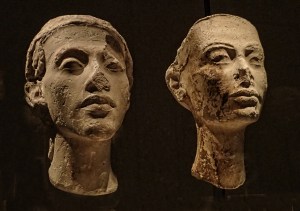
The closing decades of the 14th century BCE were an age of upheaval across the Near East. In Egypt, Akhenaten’s radical devotion to the Aten upended centuries of religious tradition and coincided with a sharp decline in imperial authority abroad. His death brought a turbulent succession marked by intrigue, possible assassination, and instability at court.…
-

I take issue with apologetics as it usually risks arguing from a conclusion rather than to one. In other words, it starts with the answer and then works backwards. This tendency is evident in Wes Huff’s video “Was Satan a Talking Snake?” where he argues that the serpent of Genesis 3 is really the Christian…
-

The middle decades of the 14th century BCE are marked by a precarious balance of power in the Near East. Egypt held authority over Canaan through its network of vassal kings. Mitanni sought to preserve its dominance against Hittite pressure. A treaty would leave the door open to a local warlord’s schemes. And the name…
-
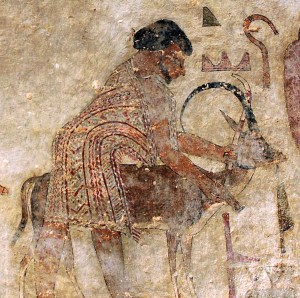
Approaching the Late Bronze Age: A Journey One Bite at a Time The Late Bronze Age was a turbulent and complicated chapter of ancient history. It spanned centuries and stretched across a region of rising and collapsing kingdoms, shifting alliances, and changes that still echo today. Understanding this era is key to understanding ourselves. Yet much…
-

I recently watched Jordan Peterson vs. 20 Atheists. Normally, I avoid productions from groups like Jubilee. Manufactured conflict has never appealed to me, much like reality TV or sensationalist talk shows. I also tend to skip clickbait titles such as “Destroyed by Logic and Reason,” “The Science Says,” or “The Signature of Moses Found.” Still,…
-
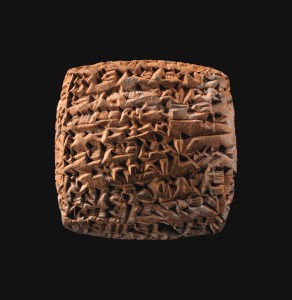
Introduction: Limitations in Understanding The Late Bronze Age collapse is one of the most complex and pivotal periods in the history of the ancient Near East. This prolonged decline arguably occurred over at least three and a half centuries. The Bronze Age Collapse was shaped by numerous factors such as widespread warfare, shifting political alliances,…
-
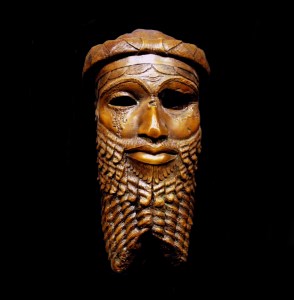
In modern times, the separation of Church and State is a defining characteristic of western political and religious thought however this distinction does not truly appear until the Enlightenment. In the ancient Near East there was no clear separation between religion and politics. Kings were divine or divinely appointed, representing the will of the gods.…

When Gods Walked
History, Archaeology, Myth, and the Bible in the Ancient Near East
 When Gods Walked